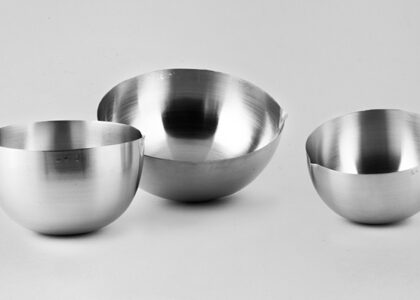

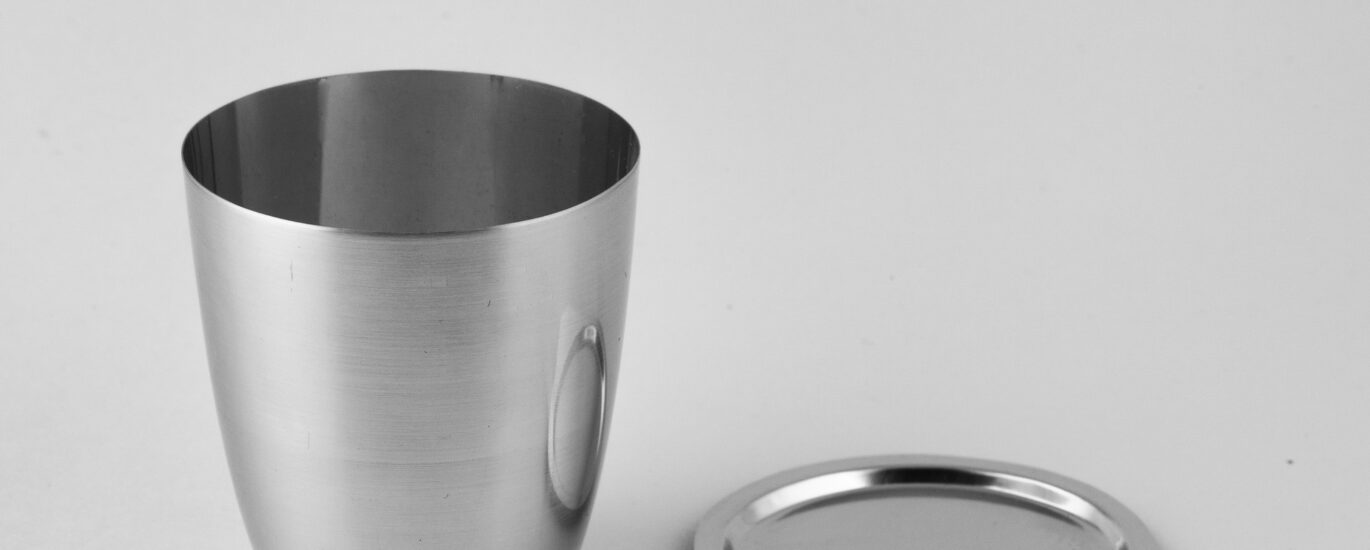
A platinum crucible is an indispensable laboratory vessel prized for its high melting point (~1768°C), low reactivity, and exceptional resistance to oxidation and concentrated acids. It is primarily used for high-temperature ignitions, ash testing, and flux digestions (like XRF sample preparation).
Key Characteristics & Material Types
- Pure Platinum: Ideal for general high-temperature analytical work up to 1700°C.
- Platinum-Rhodium Alloys (e.g., 3.5% or 10% Rh): Offers increased mechanical strength and higher temperature stability (up to ~1850°C).
- Platinum-Gold Alloys (e.g., 95/5 Pt/Au): Non-wetting and specifically used to make glass beads for X-ray fluorescence (XRF) spectrometry.
XRF | Technology +2
Handling & Care Guidelines
- Heating: Never heat a platinum crucible in direct contact with luminous gas flames (which can cause carbon embrittlement) or in contact with other metals/carbon, as it may form low-melting-point alloys.
- Acids: Resistant to most acids, including hydrofluoric acid (HF). However, it will dissolve in aqua regia.
- Cleaning: Can be cleaned by boiling in hydrochloric acid or fusing with potassium bisulfate. For stubborn residue, scouring with fine alumina powder is recommended.
- Tools: Always handle the crucible using only platinum-tipped or heavily quartz-tipped tongs to prevent physical contamination or scratching.
เบ้าหลอมแพลทินัม ถ้วยแพลทินัม เบ้าหลอมทองคำขาว ถ้วยทองคำขาว
เป็นภาชนะที่ขาดไม่ได้ในห้องปฏิบัติการ เนื่องจากมีจุดหลอมเหลวสูง (~1768°C) มีปฏิกิริยาต่ำ
และทนทานต่อการออกซิเดชันและกรดเข้มข้นเป็นพิเศษ โดยส่วนใหญ่ใช้สำหรับการจุดติดไฟที่อุณหภูมิสูง การทดสอบเถ้า และการย่อยด้วยฟลักซ์ (เช่น การเตรียมตัวอย่าง XRF)
ลักษณะสำคัญและประเภทวัสดุ
แพลทินัมบริสุทธิ์: เหมาะสำหรับงานวิเคราะห์ทั่วไปที่อุณหภูมิสูงถึง 1700°C
โลหะผสมแพลทินัม-โรเดียม (เช่น 3.5% หรือ 10% Rh): ให้ความแข็งแรงเชิงกลที่เพิ่มขึ้นและเสถียรภาพที่อุณหภูมิสูงขึ้น (สูงถึง ~1850°C)
โลหะผสมแพลทินัม-ทองคำ (เช่น 95/5 Pt/Au): ไม่เปียกน้ำและใช้เฉพาะในการทำแผ่นแก้วตัวอย่าง (XRF Glass Bead) สำหรับสเปกโทรเมตรีการเรืองแสงรังสีเอกซ์ (XRF) XRF
แนวทางการใช้งานและการดูแลรักษา
การให้ความร้อน: ห้ามให้ความร้อนแก่เบ้าหลอมแพลทินัมโดยตรงใกล้กับเปลวไฟจากก๊าซ (ซึ่งอาจทำให้คาร์บอนเปราะ) หรือสัมผัสกับโลหะ/คาร์บอนอื่นๆ เนื่องจากอาจทำให้เกิดโลหะผสมที่มีจุดหลอมเหลวต่ำ
กรด: ทนต่อกรดส่วนใหญ่ รวมถึงกรดไฮโดรฟลูออริก (HF) อย่างไรก็ตาม เบ้าหลอมจะละลายในกรดอะควาเรเจีย (Aqua regia)
การทำความสะอาด: สามารถทำความสะอาดได้โดยการต้มในกรดไฮโดรคลอริกหรือหลอมรวมกับโพแทสเซียมไบซัลเฟต สำหรับคราบฝังแน่น แนะนำให้ใช้ผงอลูมินาละเอียดขัด
เครื่องมือ: ควรใช้เฉพาะคีมปลายแพลทินัมหรือคีมปลายควอตซ์หนาในการจับเบ้าหลอมเสมอ เพื่อป้องกันการปนเปื้อนหรือรอยขีดข่วน